

ECE is a modular route to CO₂ well-control readiness
ECE (Electrical CO₂ Enabler) is a deployable, rig-agnostic well-control solution developed for offshore CCS. Rather than permanently converting a rig, ECE brings CO₂ capability where it’s needed – across rigs, campaigns, and projects.

As offshore CCS moves into operations, drilling requirements evolve
Injection is only the beginning. As storage sites mature, operators need to re-enter CO₂ reservoirs for workovers, infill drilling, and well-control response. Most offshore drilling systems were never designed for sustained CO₂ exposure.
Offshore CCS is scaling rapidly
734
CCS facilities are in development worldwide.
Billions
of tons of annual CO₂ storage are projected by 2050.
~1/3
of planned global storage capacity is offshore.
Three scenarios that expose legacy well-control equipment to CO₂
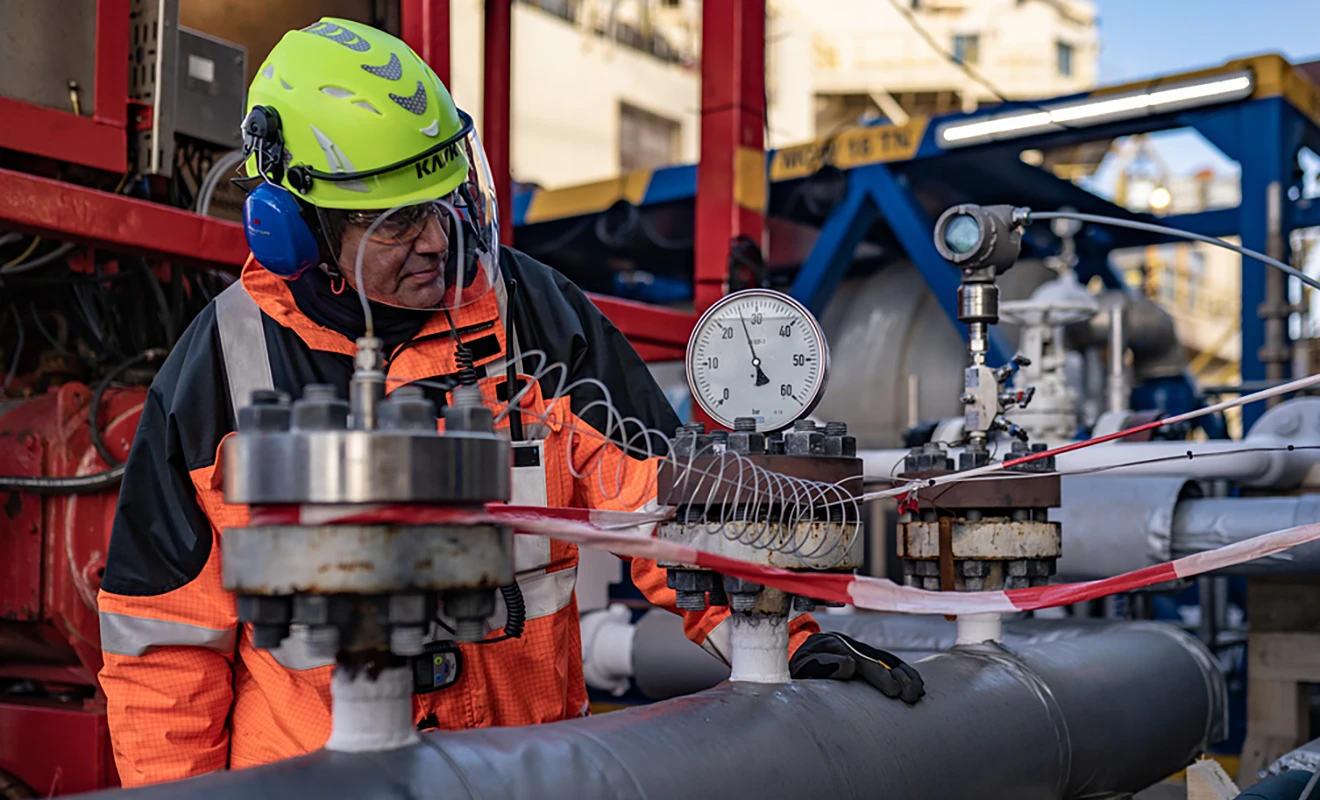
CO₂ exposure happens in three typical operational scenarios. Each creates conditions that existing rig well-control packages weren’t specified around.
1. PLANNED
Workovers and interventions
- Re-entering or maintaining existing CO₂ injection wells.
- Defined by CO₂ concentration, phase behavior, and exposure duration.

A planned activity that still requires CO₂-rated well control on standby.
2. DEVELOPMENT
Infill drilling and new injection wells
- Drilling into reservoirs where CO₂ may already be present.
- Multiphase flow and corrosion considerations apply from first contact.
Standard rig packages weren’t specified for this exposure case.
3. UNPLANNED
Relief wells and well-control response
- Circulating out influx or managing unplanned CO₂ exposure.
- Covers both dynamic circulation and static hold scenarios.
The scenario with the least planning lead time.

ECE manages CO₂ before it reaches the rig
ECE (Electrical CO₂ Enabler) is a modular CO₂ well-control system developed to manage CO₂ upstream of legacy well-control equipment.
Instead of permanently converting individual rigs, ECE provides deployable CO₂ capability that can move across suitable rigs and campaigns as operational needs evolve.
See how the system works, and how it can fit your CCS program.
CO₂ capability without permanent rig conversion
CO₂ drilling readiness no longer requires permanent rig conversion. Permanent upgrades and ECE follow fundamentally different deployment models – with different costs, downtime, and operational flexibility.
Permanent rig conversion
~$22–34M
Estimated deployment cost
30-120 days
Estimated rig downtime
Single rig commitment
Capability locked to one hull
Repeated per rig
Each new rig requires a new upgrade
CO₂ risk distributed across rig systems
Each new rig requires a new upgrade
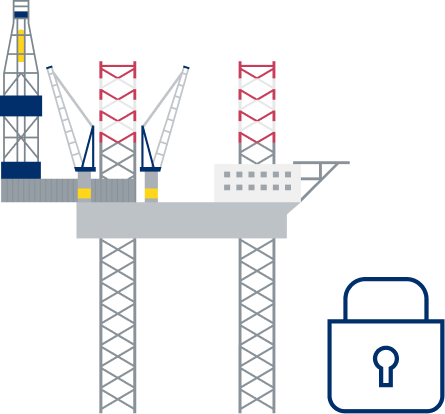
Modular ECE approach
~$18M
Estimated initial deployment
0 days
Estimated rig downtime
Portable/shared
Capability moves across rigs or programs
Repeat-unit model
Reduced future expansion cost
CO₂ risk
CO₂ managed before it reaches legacy equipment
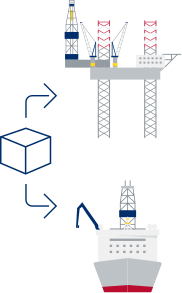
Plan CO₂ capability across your drilling program, not one converted rig at a time.
Download the Participation Deck to explore the full deployment model.
ECE is a structured process, validated with DNV
Noble has been advancing CO₂ qualification work with DNV, using DNV-RP-A203 to assess CO₂-specific operational risks, failure modes, and mitigation requirements. The 2027 program focuses on the ECE subsystems that determine materials performance, flow handling, pressure containment, and operating philosophy.
Step 1
Assess
CO₂-specific risks, exposure cases, and operating scenarios.
Step 2
Qualify
testing, simulations, studies, and mitigation work.
Step 3
Advance
ECE subsystem validation through
the 2027 program.
2027 workstreams
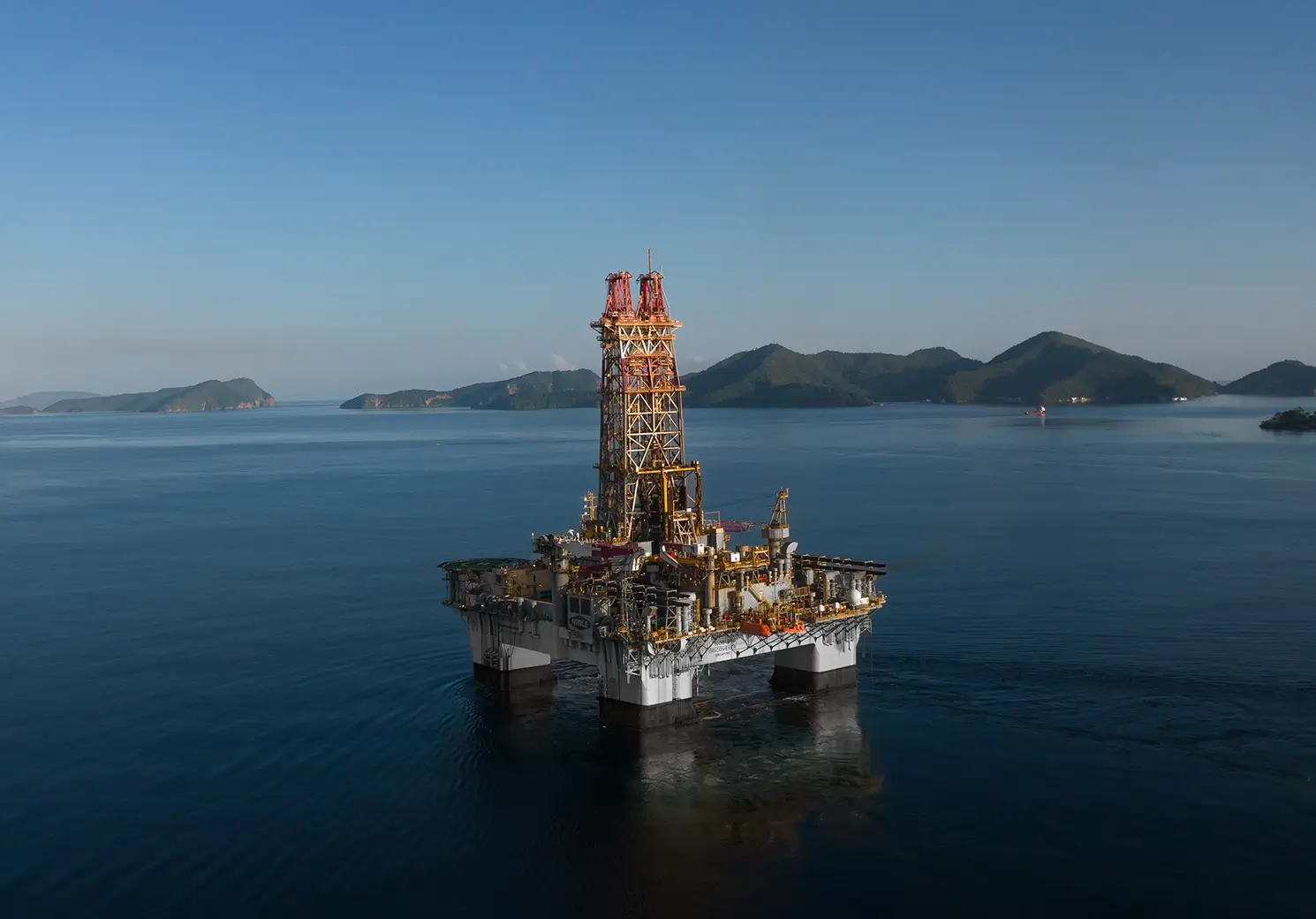
Bring your CCS roadmap into the 2027 validation program
ECE has moved from concept to engineering. The next step is validating the solution against real CCS programs, giving participating operators the opportunity to help shape validation priorities, deployment requirements, and commercial structures.
Resources and external references

Help define the next standard for offshore CO₂ drilling
Start the conversation with Noble. Discuss your project, validation priorities, and participation in the 2027 program.